Council rules for waste disposal deep cleaning Camden London
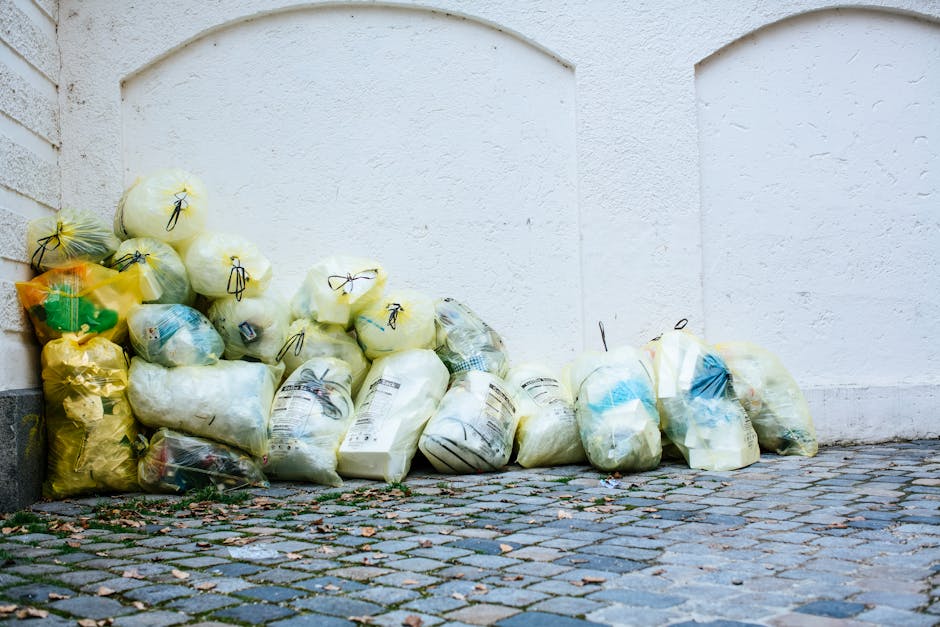
If you are planning a deep clean in Camden, the waste side of the job can become the part that catches people out. Freshly cleared cupboards, old packaging, bagged-up clutter, soiled soft furnishings, food waste, cleaning residue, and the odd broken item all add up fast. The rules around Council rules for waste disposal deep cleaning Camden London are there to keep streets tidy, protect neighbours, and make sure rubbish is handled safely and lawfully.
Truth be told, most people only think about waste once the mess is already in the hallway. That is usually when the questions start: What can go in the bin? What needs a special collection? Can it go out with a normal deep clean? This guide breaks the topic down in plain English so you can plan properly, stay compliant, and avoid the sort of mistakes that lead to fly-tipping complaints or a mess at the kerb.
We will cover how Camden-style council expectations generally work, what counts as regular domestic waste versus bulky or specialist waste, how to prepare for a deep clean, and how to choose the right disposal route. If you are comparing services as well, it helps to understand where professional help fits in with deep cleaning, house clearance, and even one-off cleaning when a property needs a proper reset.
- Why it matters
- How council rules work
- Key benefits and practical advantages
- Who needs this and when it makes sense
- Step-by-step guidance
- Expert tips for better results
- Common mistakes to avoid
- Tools, resources and recommendations
- Law, compliance, standards, or best practice
- Options, methods, or comparison table
- Case study or real-world example
- Practical checklist
- Frequently asked questions
Why Council rules for waste disposal deep cleaning Camden London Matters
Deep cleaning is not just about making surfaces sparkle. It often reveals what has been hiding underneath: old food containers, damaged utensils, mould-affected items, worn-out textiles, cleaning chemical bottles, loose packaging, and sometimes waste that should never be left for a standard household collection. That is where council rules matter. They help you separate everyday rubbish from larger, heavier, or more sensitive waste streams.
In Camden, as in the rest of London, local waste disposal expectations are shaped by practical concerns: access, cleanliness, pavement safety, and avoiding nuisance to neighbours. A pile of loose bags left too early can attract pests or be torn open by birds. Heavy items dumped at the wrong time can block a narrow street. A damp sofa left outside overnight after a deep clean? Let's face it, that is not a pleasant sight at 7am.
The council angle matters even more in shared buildings, basement flats, and busy streets around Camden Town, Kentish Town, and nearby residential roads where space is tight. Waste has to be planned, bagged, and timed properly. If you are working with a professional cleaner, the cleaner may remove surface waste as part of the service, but disposal itself still needs to follow the right route.
Expert summary: if your deep clean creates more waste than a normal bin day can handle, plan the disposal before the cleaning starts. That small bit of prep saves time, avoids stress, and usually gives a far tidier result.
How Council rules for waste disposal deep cleaning Camden London Works
The practical process is fairly straightforward once you separate it into categories. You identify the type of waste, decide whether it can go in normal household bins, and then work out whether it needs sack collection, bulky waste handling, or separate disposal. That is the backbone of the whole thing.
Most deep cleans create a mix of waste types:
- General domestic waste like dust bags, packaging, old cloths, food scraps, and light rubbish.
- Bulky waste such as mattresses, broken furniture, or large appliances.
- Recyclable materials including cardboard, clean plastic, glass, and some metal.
- Potentially hazardous items like certain chemicals, bleach containers with residue, sharps, or electrical items.
For a deep clean in Camden, the main challenge is not the cleaning itself. It is the sorting. A cleaner can bag waste neatly, but they should not guess about items that need special handling. If there is any doubt, the safest route is to keep the item separate and check the appropriate collection or disposal option.
A useful way to think about it: cleaning removes the dirt, disposal removes the problem. Both steps need planning. If you want a broader refresh across carpets, upholstery, hard floors, or ovens, services like carpet cleaning, upholstery cleaning, hard floor cleaning, and oven cleaning often sit neatly alongside a disposal plan, especially in move-outs and post-tenancy jobs.
One more thing: local rules can differ in the details depending on street access, property type, and bin storage arrangements. So while the general principles are stable, you should always match them to the actual property situation rather than assume every address works the same. Camden is not exactly famous for wide driveways and endless storage space, is it?
Key Benefits and Practical Advantages
Following council expectations properly is not just about avoiding trouble. It makes the whole deep cleaning job smoother and more efficient.
- Cleaner finish: a property looks genuinely reset when waste is removed properly, not left in black bags by the front door.
- Lower risk of complaints: neighbours are less likely to report smells, spills, or blocked pavements.
- Less back-and-forth: no last-minute scramble because a bulky item was not planned for.
- Better hygiene: waste does not sit around attracting pests or reintroducing dirt after the clean.
- More predictable costs: when disposal is organised in advance, you avoid emergency jobs and rushed decisions.
There is also a very practical benefit that people overlook: time. A deep clean with sorted waste moves faster. The cleaners can actually clean, rather than constantly stepping over bags, boxes, and a mystery chair that nobody wants to own. Small detail, big difference.
For landlords, letting agents, and tenants, proper waste disposal supports a smoother handover too. That matters with end-of-tenancy work, where presentation and cleanliness are judged side by side. A spotless sink with a pile of waste bags outside looks unfinished. Nobody wants that awkward contradiction.
Who This Is For and When It Makes Sense
This topic is relevant to anyone arranging a deep clean where waste removal forms part of the job, but some people need it more often than others.
- Tenants clearing a flat before check-out.
- Landlords preparing a property for new occupants.
- Homeowners dealing with clutter after renovation, illness, or a long period of neglect.
- Office managers dealing with storage rooms, refreshes, or cleared workspaces.
- Letting agents who need the property cleaned and presentable quickly.
- Families managing seasonal clear-outs, inherited belongings, or post-party recovery.
It also makes sense when a property has built up waste that cannot be solved with a normal weekly bin collection. Maybe there are old cleaning products under the sink. Maybe a mattress has to go. Maybe the kitchen has three bags of mixed rubbish after a deep declutter. These are the moments where council rules, collection timing, and responsible sorting suddenly become very relevant.
If your situation is more substantial than routine tidying, a service such as after builders cleaning can be useful alongside waste planning, because renovation debris and dust usually create their own disposal headaches. For office or commercial premises, office cleaning may also need to be paired with a clear bin strategy so desks and storage areas are not left half-finished.
Step-by-Step Guidance
Here is a practical way to handle council rules for waste disposal during a deep clean in Camden without making life harder than it needs to be.
- Walk through the property first. Before any cleaning starts, identify what is staying, what is going, and what might need special handling.
- Separate waste into clear groups. General rubbish, recycling, bulky items, and anything potentially hazardous should be kept apart.
- Check access and storage space. In many Camden streets, where bin storage is tight, you need to think about when bags will be taken out and where they will wait safely.
- Bag and label properly. Do not overfill bags. Heavy, split, or leaking sacks create avoidable problems.
- Decide disposal route early. Standard bin collection, booked bulky collection, recycling stream, or a professional clearance route each suit different waste types.
- Book the cleaning around disposal. It is much easier to deep clean once waste has been removed than to clean around it and come back later.
- Do a final sweep. Check cupboards, behind appliances, under beds, and storage corners. That is where the forgotten stuff usually lives.
Here is a simple rule of thumb: if the item would be awkward, heavy, sharp, wet, or smelly in a normal household sack, pause and assess it before moving on. That tiny pause can save a lot of hassle.
In practice, a good cleaning company will help keep the process tidy and structured. If you are comparing providers, it can be worth checking how they describe their cleaning company approach, what their pricing and quotes cover, and whether they mention insurance and safety in a clear, responsible way. Those details matter more than flashy promises.
Expert Tips for Better Results
Little things make a big difference here. You do not need a complicated system, just a sensible one.
- Use colour-coded bags or labels if multiple people are helping. It reduces confusion fast.
- Keep cleaning waste separate from general waste where possible, especially if it contains chemicals or broken items.
- Schedule collection before the deep clean ends if you have bulky items waiting. Otherwise they linger, and nobody likes that.
- Measure large items before booking removal so you do not discover the stairwell problem too late. Been there, seen that.
- Protect shared areas like lifts, corridors, and front steps if bags or furniture need moving out.
Another tip that helps in Camden's tighter streets: work backwards from the exit. It sounds simple, but it keeps the property from becoming a maze of rubbish sacks and half-moved furniture. Start at the furthest room, finish at the doorway, and leave the final exit route clear.
If sustainability matters to you, look at how waste can be reduced or reused before it is thrown away. Items in decent condition may be suitable for reuse or donation, while packaging and recyclables should be separated where practical. The goal is not perfection. It is better habits, done consistently.
You may also find it useful to pair disposal planning with cleaning priorities. For example, if waste is coming from a kitchen reset, start with the appliance area, then surfaces, then floors. A service such as professional oven cleaning or a broader domestic cleaning package can fit into that sequence nicely.
Common Mistakes to Avoid
Most problems with waste disposal are avoidable. They happen because people are in a hurry, or because the waste looks "simple enough" at first glance.
- Leaving everything until the end. That often creates piles that are hard to sort once cleaning has started.
- Mixing bulky waste with normal refuse. One mattress or broken chair can complicate a whole collection plan.
- Overfilling bags. Overloaded sacks split, leak, and slow the whole process.
- Ignoring hazardous items. Even small quantities of chemicals, blades, or electrical waste should be treated carefully.
- Using the pavement as temporary storage. In a dense London area, that is asking for complaints.
- Assuming the council will take everything in one go. That is rarely safe to assume.
The oddest mistake? People sometimes deep clean around waste instead of removing the waste first. You end up polishing a room that still has clutter in it. Clean, yes. Finished, not really.
Another issue is poor communication between the person booking the job and the team doing the work. If one side thinks disposal is included and the other side thinks it is not, you will feel that mismatch on the day. Clarify it early, always.
Tools, Resources and Recommendations
You do not need a huge toolkit, but a few sensible items make the process much easier.
- Strong refuse sacks for heavier but non-hazardous waste.
- Reusable crates or boxes for sorting recyclable or reusable items.
- Labels or markers to identify bag contents.
- Gloves and basic protective gear if you are sorting unknown or dusty items.
- Spare floor protection such as dust sheets for items waiting to be moved.
- Measuring tape for bulky items and tight doorways.
In terms of service choices, think about the scale of the job. A simple deep clean with light waste might only need a cleaning team and your normal household disposal route. A bigger job may need house clearance support before cleaning begins. If your project is seasonal or less frequent, a one-off cleaning arrangement can be more practical than trying to squeeze the work into a routine visit.
If you are comparing different cleaning types, here is a useful way to think about it:
| Approach | Best for | Waste handling level | Typical benefit |
|---|---|---|---|
| Standard domestic cleaning | Routine upkeep | Low | Light waste only, quick turnaround |
| Deep cleaning | Resetting a property | Medium | Better for built-up dirt and sorted rubbish |
| House clearance | Major decluttering or move-out | High | Handles bulky and mixed items more effectively |
| After builders cleaning | Renovation or works aftermath | Medium to high | Deals with dust, debris, and awkward leftovers |
If you want a broader sustainability lens, a business page like recycling and sustainability can help frame expectations around sorting and responsible disposal. It is not glamorous. But it is the unglamorous bit that keeps everything working.
Law, Compliance, Standards, or Best Practice
Waste disposal is one of those areas where good habits and legal duties overlap. You do not need to become a compliance expert overnight, but you do need to understand the basics.
In the UK, waste should be handled responsibly, and certain items must be treated separately. Household waste, recycling, bulky items, and hazardous waste are not all the same thing. That may sound obvious, but in the middle of a busy deep clean, obvious things get overlooked. Fast.
Best practice usually means:
- sorting waste before collection rather than mixing everything together;
- keeping items contained so they do not spill, leak, or attract pests;
- using approved disposal routes for electricals, sharps, chemicals, and heavy items;
- avoiding obstruction of pavements, entrances, and shared access areas;
- following any building rules for bin stores, lifts, or loading areas.
If a property is rented, there may also be tenancy or building-management expectations on top of council guidance. And if a contractor is involved, it is sensible to ask how waste is being dealt with, even if the cleaning itself is the main service. A reputable business should be clear about safety, access, and what happens to waste that cannot just go in a normal bin.
For that reason, checking policy pages such as health and safety policy and payment and security can give you a better feel for how seriously a provider treats the whole job, not just the shiny parts.
Options, Methods, or Comparison Table
There is more than one way to deal with waste after a deep clean, and the best option depends on volume, type, timing, and access. Here is a simple comparison.
| Method | Pros | Cons | Best used when |
|---|---|---|---|
| Normal household bins | Simple, low effort | Limited capacity; not suitable for bulky waste | The clean creates only light rubbish |
| Booked bulky collection | Good for larger items | Needs planning and timing | You have furniture, mattresses, or similar items |
| Sorting for recycling | More responsible, often tidier | Takes extra effort | The waste stream contains clean recyclable material |
| House clearance support | Best for larger clear-outs | More involved and usually higher cost | The property needs a major reset |
| Combined cleaning and disposal planning | Smoother handover, less stress | Requires good coordination | You want the property fully finished in one sequence |
For many Camden properties, a combined approach is the sweet spot. That might mean a deep clean on the inside, followed by planned removal of sorted waste, with any bulky items handled separately. It is usually neater and less disruptive than trying to do everything at once.
Case Study or Real-World Example
Here is a realistic example from the sort of situation people run into all the time.
A two-bedroom flat near central Camden had been rented for several years and needed a full refresh before new tenants moved in. The kitchen cupboards held old packaging and expired food. The hallway had a broken chair, two oversized bags of mixed clutter, and a few small items that belonged in recycling. There was also a box of cleaning chemicals under the sink, half-used and not safe to leave with the rest.
The sensible approach was simple:
- sort the waste before the deep clean;
- remove food and general rubbish first;
- set aside the chair as a bulky item;
- separate the recycling from the mixed waste;
- keep chemical containers apart for careful handling;
- then complete the deep clean once the space was clear.
The result was not dramatic in a cinematic sense, but it was practical and satisfying. The flat felt larger, smelled fresher, and the cleaners could reach skirting boards, cupboard corners, and behind appliances without constantly moving things around. That is the thing people notice most afterwards: not just that it looks better, but that it finally feels manageable.
If the same flat had been left with all waste by the front door, the outcome would have been worse. Neighbours would have seen the mess, the entrance would have felt cluttered, and the handover would have felt unfinished. Little details, big impression.
Practical Checklist
Use this checklist before and during the deep clean to keep waste disposal under control.
- Identify all waste types before work starts.
- Separate general waste, recycling, bulky items, and anything hazardous.
- Check bin capacity and collection timing.
- Confirm whether bulky items need separate handling.
- Protect shared areas if items must be moved through them.
- Keep bags sealed and not overfilled.
- Store waste out of the way until collection, but not in a public obstruction point.
- Double-check cupboards, lofts, under beds, and behind appliances.
- Make sure the final clean happens after the main waste is gone.
- Review any building or tenancy rules that may apply.
Quick takeaway: the earlier you plan waste disposal, the easier the deep clean becomes. Simple, really. Not always easy, but simple.
If you are comparing services, take a look at the company background on about us and the wider service range through cleaners. If you already know what you need, you can also explore contact us or review pricing and quotes for the next step.
Conclusion
Handling Council rules for waste disposal deep cleaning Camden London properly is mostly about planning, sorting, and keeping things tidy from the start. The cleaner the waste flow, the cleaner the result. That is true whether you are dealing with a small flat, a busy family home, or a property that needs a full reset after a long period of use.
Camden properties often come with tight access, shared spaces, and very little room for error. So it pays to think ahead, separate waste carefully, and choose the right disposal route before the cleaning begins. When you do that, the whole job feels calmer, faster, and far more professional.
Get a free quote today and see how much you can save.
And if you are standing in a room full of half-packed bags wondering where to begin, start with the sorting. That first small step usually makes the rest feel lighter.
Frequently Asked Questions
What does Council rules for waste disposal deep cleaning Camden London actually mean?
It refers to the practical rules and expectations around sorting, storing, and removing waste created during a deep clean in Camden. That includes normal rubbish, recycling, bulky items, and anything that needs special disposal.
Can I put all the waste out with the normal bin collection?
Sometimes, yes, if the amount is small and the waste is suitable for standard household bins. But bulky items, mixed waste, and any hazardous materials usually need a different route.
Do deep cleaning companies remove rubbish as part of the service?
Some do, some do not, and some only remove light waste. It is worth confirming exactly what is included before booking so there are no surprises on the day.
What counts as bulky waste during a deep clean?
Bulky waste usually means items that are too large or awkward for a normal bin, such as furniture, mattresses, broken shelving, and some appliances. The exact handling depends on the item and the local disposal route.
How do I deal with cleaning chemicals after a deep clean?
Keep them separate from general waste and do not mix them with food rubbish or recyclables. If they are unwanted or partly used, treat them cautiously and follow the appropriate disposal route for the product type.
Is it okay to leave waste on the pavement until collection day?
Not as a general rule. In a busy London area like Camden, waste left on the pavement can create nuisance, block access, and lead to complaints. Keep it contained and only place it out according to the proper collection arrangements.
What is the best order: clear the waste first or clean first?
Usually clear the waste first, then deep clean. That order makes the work faster and prevents you from cleaning around items that should really be removed first.
Do I need a house clearance service for every deep clean?
No. If the waste is light and manageable, standard disposal may be enough. House clearance is more suitable when there is a significant amount of clutter, bulky waste, or a full property clearance to handle.
How can I reduce waste during a deep clean?
Sort items before bagging them, separate recyclables where practical, and set aside anything reusable. A bit of pre-planning can reduce the amount that ends up as general waste.
What should I ask before hiring someone for deep cleaning in Camden?
Ask what waste handling is included, how bulky items are treated, whether the team carries insurance, and how access or collection timing will be managed. Straight answers are a good sign.
Does the council collection cover everything left after a deep clean?
Usually not. Council services often have limits on what they take, how much they take, and when they collect it. It is better to plan for each waste type rather than assume one collection will cover the lot.
Where can I find more help if I need a bigger clean-up?
For larger jobs, look at the relevant service pages and decide whether you need deep cleaning, end-of-tenancy support, house clearance, or a one-off clean. The right mix saves time and makes the property easier to hand over cleanly.